
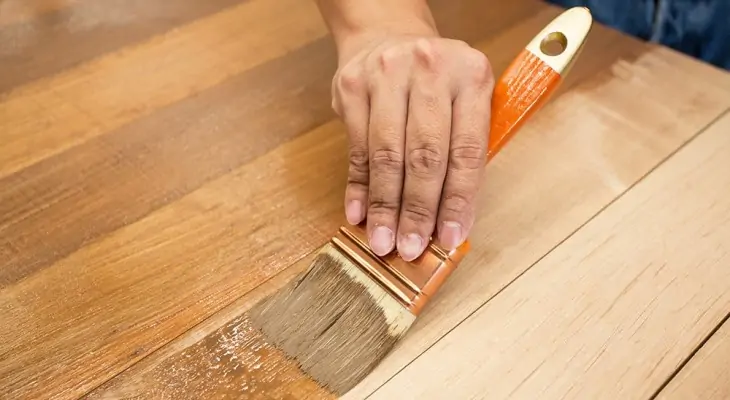
Getting any dried substance off of paintbrushes is a real pain. Therefore, cleaning your brush after use will not only save you time and energy but will also make your brushes last longer, thus saving you money.
Dried polyurethane can be a nightmare to remove, but it is possible and everything you need to know about the process is explained in this article.
What You Will Need

Despite what a lot of people believe, cleaning dry polyurethane from a brush is easy if you have the right supplies. Although this method is simple, you should always clean your brushes after use. Allowing the paint to dry will shorten their lifespan.
The supplies you will need are common household items that you might already have in your cupboard. Here is what you will need:
- Paper towels
- Mineral spirits
- A plastic container
- A sealable container
- A paint brush comb
- Bucket
When it comes to using any toxic chemicals like mineral spirits, ensure that none of the run-off goes down a drain as they need to be disposed of in a safe manner, which will be discussed later.
Removing the Dried Oil-Based Polyurethane
Now that you have all your supplies, you can start the process:
Paper Towels
You can use paper towels to try and soften dried Polyurethane. This is done by pouring a small amount onto the paper towel and rubbing it onto the bristles. Try to remove as much excess as possible as this will make softening process easier.
Mineral Spirits
Next, you need to add mineral spirits to your bucket or container. You only need enough to emerge the bristles of the paintbrush.
It is important to only submerge the bristles. If the ferrule (metal covering for the adhesive that keeps the bristles together) is submerged, this could counteract the adhesive and damage your brush.
Soaking
Once you have a sufficient amount of mineral spirits, take your brush and circulate the brittles in the solution. This will allow the spirits to navigate between the bristles, enhancing their capabilities.
Leave the bristles to soak in the solution overnight for the best results. If you find that the polyurethane hasn’t softened to the right consistency for removal, let it soak for a few more hours.
Clean-Up Responsibly

It is vital that you take the right steps when disposing of mineral spirits or other paint removal paraphernalia. These are extremely hazardous chemicals that should never be poured down a drain.
Instead, empty the used spirit into a sealable container and set aside until you can dispose of it responsibly.
Repeat If Necessary
If you find that there is still a thick coat of polyurethane on your brush, repeat the process. Ensure to use clean mineral spirits and don’t forget to circulate the bristles again before leaving it to soak.
Sometimes just circulating the brush in the spirits will work, and you can move onto the next step without soaking.
A Hot Rinse
Fill a bucket with hot water and submerge your paint brush. This should never be done in a sink or any area where the dirty water has access to a drain.
After the rinse, use a paint brush comb to gently work out any polyurethane that might be hiding in the bristles.
Dry the Paint Brush
Once you are satisfied, dry the bristles using paper towels. This should be done in patting motions to ensure you are not loosening them, which could result in a shorter lifespan for your brush.
Now, you need to wrap the paint brush up for storing. To ensure that the bristles don’t bend or break, wrap them tightly in a plastic bag. If your brush is made from natural hair, wrap it up in newspaper instead.
How to Store your Brush
In order to extend your paint brush’s life as much as possible, just cleaning it is not the last step. You need to ensure that you are storing your brush correctly for the most effective, long-lasting results.
Storing for a Short Break
If you need to step away from your project for a short period, it is necessary to store it in the correct manner to ensure it does not dry out.
You can do this by submerging 1/3 of the bristles in the paint. By doing this, you will ensure the paint on your brush stays fresh and ready for use when you get back to work.
Storing for Longer Breaks

If you need to take a longer break, leaving your brush inside the paint won’t work. A lot of painters wrap their brushes in plastic, but this is not a good idea as it will dry out.
When wrapping your brush in plastic, air can get trapped inside, causing the paint to dry. It also allows moisture to get trapped inside, aiding in the drying process.
So what will work? Wrapping your brush in aluminum foil has the best results and prevents the brush from drying out.
When wrapping the brush in the foil, ensure that you have covered the entire brush and there are no pockets from where air can enter.
Synthetic and Natural Paint Brushes Explained
There are advantages to using both these brushes, but it is always good to learn new tips and tricks that will improve your painting skills.
Natural
Natural bristle brushes are usually made from badger, hog, or sable hair. The best times to use these brushes are when you are painting with:
- Varnish
- Oil-based paint
- Shellec-based primer
- Shellec
- Alkyd enamels
- Polyurethane
- Stain
- Chalk-based paint
- Clay-based paint
- Milk paint
Advantages
Because of their natural movement, these bristles absorb, hold and release paint creating an even finish and quicker results. Natural paint brushes will allow you to apply thinner layers which lessen the risks of streaking.
Disadvantages
The only disadvantage to natural paint brushes is that they tend to shed during the first few uses. It would be best to do several test runs before using them for their intended purpose.
Synthetic
Synthetic brushes like these are usually made from materials like nylon, polyester, or a combination of the two. It would be best to use these brushes for:
- Water-based primers
- Water-based latex paint
- Acrylic paint
- Gloss paint
- Water-based wood finishes
Advantages

Synthetic brushes are tough and long-lasting. They absorb paint well and provide a smooth finish. They are known for keeping their shape and control which is why these brushes are the perfect choice for work that requires more precision.
They work particularly well on woodwork or furniture when using water-based or gloss paints. Another popular advantage is that they are more cost-effective compared to their natural counterparts.
Disadvantages
A mixture of latex paint and a hot climate will soften a nylon paint brush which will cause an uneven finish.
Polyester brushes don’t absorb the paint as well as other options. This means that the brush will need to be topped up often. Fast-drying paint will stick to the polyester making it difficult to clean.
Final Thoughts
When using any toxic chemicals, always ensure you are taking the correct precautions, especially when disposing of them.
It is always best to clean your brushes immediately after use to avoid them from drying which makes them harder to clean. However, if the polyurethane has dried, the procedure to remove it is very easy and straightforward.
