

Have you just completed DIY projects in your home? Are you stuck with the lingering smell of spray paint?
Spray paint smell can be unpleasant and toxic. However, there is no need to panic. Follow these easy steps and breathe a sigh of relief.
This article will teach you everything you need to know about spray paint fumes and how to eradicate them.
Just think how much more you will enjoy DIY projects when you know you are using them correctly.
Everything You Need to Know About Spray Paint Fumes
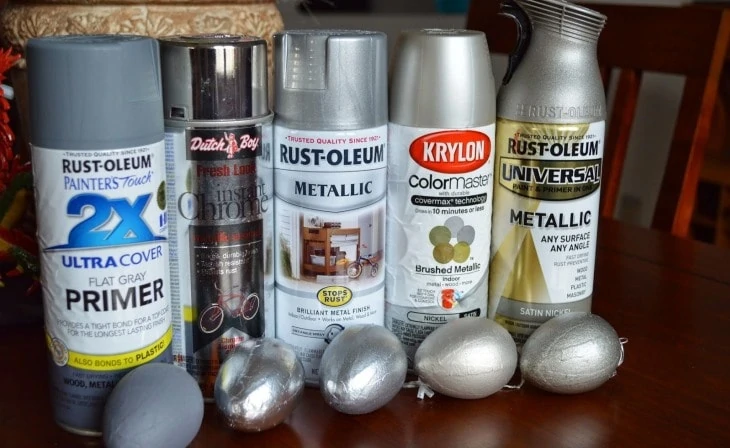
Most people do not know that the smell of spray paint can be harmful. People also assume that if they can no longer smell the fumes, it will not affect them. This could not be farther from the truth. So take a little time out of your day to learn about:
- The dangers of spray paint fumes
- How to get rid of spray paint smells
- What products you will need to eradicate the smell of spray paint quickly and effectively
The Dangers of Spray Paint Fumes
Exposure to spray paint fumes can be harmful, and you should take the necessary precautions to protect yourself when using these products.
Here is a record of some of the issues that can arise when exposed to spray paint fumes:
- Irritation of the skin
- Irritation of the eyes, nose, or throat
- Causes headaches
- Light-headed or dizzy
- Can cause nausea
- Difficulty breathing
Long Term Exposure
It is essential to take the necessary steps to avoid being exposed to spray paint fumes over a long period. Long-term exposure can result in severe damage to your liver, kidneys, and nervous system.
How Long Does the Smell of Spray Paint Last?
The drying of spray paint is not an exact science, as it will differ for every situation. If you reside in hot areas, the paint will dry faster. In cold or wet areas, it could take a few weeks for the smell to dissipate.
Typically, it takes at least a full day (24 hours) for the smell to become unnoticeable. And it takes 2-3 days and good ventilation for the spray paint fumes to get completely dissipated.
How to Get Rid of Spray Paint Smells
There are some excellent everyday household products that you can use to remove the smell of spray paint. Here is what you will need.
Baking Soda
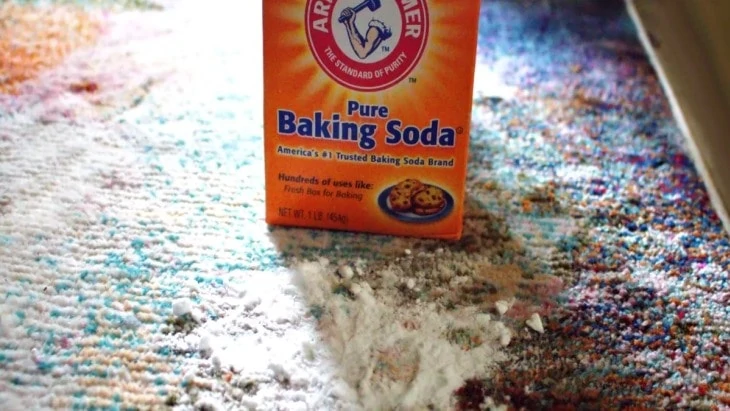
Baking soda is a fantastic product that everyone should have in their home. You can use baking soda to absorb odors. Place some baking soda in shallow bowls all around the room. If the odor is still prominent, sprinkle some baking soda on the carpet or furniture and vacuum it up the next day.
Lemon Water
Lemon water will draw the odor out of your home. Place water in a bowl and cut up some fresh lemon, and add it to the water.
Place the bowls in the room where you want to eliminate the spray paint smell. Leave the bowls overnight for maximum efficiency.
Activated Charcoal
Activated charcoal can be an excellent method to eliminate odors. Place some in bowls and leave it around the room overnight.
Apple Cider Vinegar
Apple cider vinegar is a natural solution to get rid of spray paint fumes. It is an excellent alternative to any toxic products that might cause more harm than good. Pour 1 cup in each bowl and place it in the corners of the room.
Coffee Grounds
Coffee grounds will alleviate any spray paint fumes. They can be poured into bowls and placed around the room. It could also help you feel more alert and energized.
Peppermint or Vanilla Extract
One or two drops of peppermint or vanilla extract onto cotton balls in bowls will help eliminate spray paint fumes. These are the perfect solution for you if you like the smell of mint or vanilla.
Soy-based or Beeswax Candles
Candles are a great option to burn away VOCs. You should only use this option if you do not have any children or pets that can access the room.
If the smell is powerful, don’t be shy to use a few of these methods all at once.
What Can Prevent the Smell of Spray Paint?
Multiple products limit the amount of off-gassing. These are perfect choices for rooms that don’t have a lot of ventilation. These products include Zero or Low VOC non-toxic spray paint.
Zero-VOC Non-Toxic Spray Paint

To completely understand what this product is, you will need to know what VOC stands for. VOCs, meaning volatile organic compounds, are poisonous chemicals found in paint colors.
The name “Zero-VOC” can be misleading, as there are still traces of VOC in the paint.
Most spray paints contain over 50 grams per liter of VOC, whereas a Zero-VOC spray paint contains 5 grams or less per liter.
With scientific advancements being made every day, this is an excellent option for you if you are afraid of the adverse effects of spray paint fumes. Many manufacturers have refined their Zero-VOC paint formulas to manufacture less toxic spray paint.
Not only are Zero-VOC spray paints less toxic, but they are also very versatile. They come in various colors, and in today’s day and age, you do not need as many coats to achieve your result.
A great brand to use is Rust-Oleum. It can be used on a wide variety of materials and is classified as Zero-VOC paint.
Low-VOC Spray Paint
Any spray paint with less than 50 grams per liter of VOC can be considered as Low-VOC spray paint. This is an excellent option as they limit the off-gassing of spray paint, making it a safer solution for you.
There are different methods for manufacturers to achieve Low-VOC products, some use eco-friendly bases containing plant oils, and others remove the toxic VOCs from existing paints.
As these products gain popularity, their prices have decreased significantly, making them an affordable option for your DIY needs.
Loop Spray paints are safe and the perfect choice for any artistic project.
Ventilation
Ventilation is an essential aspect when using spray paint. Good ventilation speeds up the drying of primer and paint and will help eliminate fumes during and after using spray paint. Open all your windows before and after using spray paint. They should stay open for as long as possible.
If you are painting a single room, close the door to prevent the fumes from traveling through to the other rooms. Placing a fan in the room will also help speed up the process.
Humidity
Try to avoid painting on humid days. Paint takes longer to dry and cure when it is humid. If this is impossible, you could use a dehumidifier like this one to accelerate the off-gassing process.
Use an Air-Purifying Device
While an air–purifying device won’t aid in speeding up the drying process of paint, it will help eliminate VOCs from the air as they are released. You can use an air-purifying device during painting, as well as a few days after you have painted.
Indoor Plants
Another option would be to add indoor plants to your home, which will absorb the VOCs faster. These indoor plants include:
- Spider Plants (Chlorophytum comosum)
- Dracaenas
- Golden Pothos (Epipremnum aureum)
- Peace Lillies (Spathiphyllum)
You can find many indoor plants that can purify the air in your home. It would be best to research them before purchasing one. Some can be harmful to your pets or need a lot of care and attention.
Conclusion
With all this knowledge about spray paint, you should decide what method suits your specific situation. What’s great is you have so many different options. Immerse yourself in your projects and let your creativity flow without any restrictions.

Please help me remove the smell from my car. My partner was supposed to use regular rustolium to seal the floor of the car but instead he used car paint. It has been 24hrs and the car still smells strong. I have MS so I can not risk riding in the car. I feel that my car is ruined and I am devastated.
Some ideas I’ve had:
1. Use paint remover(I worry this may leave its own smell)
2. Paint a low voc paint over it to trap the voc underneath.
3. Sand the paint off(I worry this will leave microscopic paint dust all over the car that could make me sick).
Any advice that anyone has is helpful, thank you!
Did you fix your problem with the paint in your car? I don’t know how to fix it but I thought maybe you could took it to a body shop that paints cars and they might be able to help you remove the paint or seal it somehow to remove the smell. I’m chronically ill too so I understand your sensitivity to chemicals.