
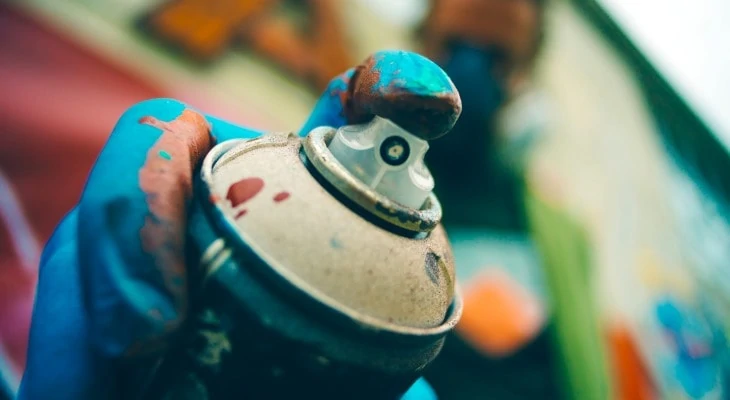
Spray paint usually becomes sticky from over-application, which takes longer to dry. However, there are some easy methods you can implement to make spray paint not sticky. If you follow these easy strategies, you will never have to worry about sticky spray paint again.
Preparation to Prevent Sticky Spray Paint

If you prepare your surface properly before painting, you can prevent sticky paint. Ensuring that the object you want to paint is clean and dry would be your first step.
If the object you want to paint is smooth, it would be best to quickly scrub it down with some sandpaper to help the paint adhere better.
Next, ensure that the area you are painting in is a conducive environment. This means that it needs to be a dry area with little to no moisture.
You can make the area conductive by using a dehumidifier, heater, or fan, depending on the weather. Buying high-quality paint is always best. Cheaper paints usually leave you disappointed and will land up costing you more in the long run.
What You Should Avoid
Here is some simple advice that you can follow that will help you to avoid sticky spray paint.
High Humidity
High humidity can prolong the drying time of spray paint. You will achieve the best results when the air is warm and dry, but this does not mean you can’t spray paint when there is humidity.
If you reside in a humid area, wait for a day when humidity is between 40-50% for the best results. If you can’t avoid humidity at all, try using a dehumidifier or fans to speed up the drying process.
Rushing
It is natural to want to complete your project as quickly as possible, but if you want the best results and the quickest drying time, it is essential to take your time.
Instead of using thicker spray paint that might blot and takes longer to dry, use a thinner paint like this one from Krylon, which requires multiple coats but will dry quicker and have a better finish.
The Right Temperature for Spray Painting

Cold Temperatures
Certain liquids like syrup, honey, oil, and peanut butter become thicker when it’s cold. Spray paint is no different. It would be best not to use spray paint in cold weather as it will thicken and become congealed.
This will make the application uneven, which could cause blotching and stickiness. If you cannot avoid the cold, you could use a heater to warm up the area where you will be using the spray paint. If the temperature is less than 50 degrees Fahrenheit, it is too cold for spray paint to dry properly.
Hot Temperatures
Just as cold temperatures thicken spray paint, hot temperatures will make them thinner. This makes the paint flow easier, which causes you to use too much paint. Besides wasting paint, it can actually start to dry before it reaches the surface of the object you are trying to paint.
This will result in a dry, uneven finish with a peeling surface. The ideal temperature for spray paint is between 50-90 degrees Fahrenheit.
6 Methods You Can Use to make Spray Paint Not Sticky
For a flawless finish and quick drying time, follow these easy steps.
Always Use a Primer

Primer is a type of base coat that you will apply before spray painting. It will provide better adhesion for the spray paint, enhance the paint’s durability, and add additional protection to the spray paint. Primers like Rust-Oleum will eliminate the substances that might cause a sticky finish.
Shake that Can
It is vital to always shake your spray paint can vigorously before use. You want to ensure that the spray paint is mixed well, which will make for a smooth application. If you do not shake your can of spray paint before use, the paint could come out uneven which would cause it to be sticky.
Drying
You should always wait for each coat to dry completely before applying a new coat. Your spray paint might be sticky and take longer to dry because you have too many coats that never appropriately dried.
You should note that drying times can differ depending on the weather and how well ventilated the area is where you are spray painting.
As a general rule, the primer should be left to dry for about 3 hours before applying the spray paint. Spray paint could take 5 min to dry before applying the 2nd coat, but it does depend on the type of spray paint you are using and how thick it is.
Most spray paints will have application instructions on the can to direct you on waiting times between coats.
Talcum Powder
Talcum powder can be a great tool if used correctly. When using talcum powder, always test it on a small patch first to make sure it isn’t compromising the color you want to achieve. The powder will absorb the moisture, preventing any stickiness.
Apply some powder to your hand and gently rub it into the sticky areas. This method works well on doors, cabinets, bookshelves, drawers, and dressers or basically, anything that could create friction.
Auto Wax
Auto wax can help with sticky spray paint. For applications, rub a layer of auto wax over the sticky area in circular motions until the wax is even and clear.
Let the wax dry for 10-15 minutes, and then use a buffing cloth to remove the wax. Once the wax has been removed, the area should be smooth and dry. You can repeat the process should the area still be sticky.
Oil-Based Paints
Oil-based paints usually take longer to dry than other paints but will provide you with a smooth, beautiful finish. Oil-based paint like this one from Rust-Oleum resists blocking, and it is also more durable to scratches and stains.
Take the Right Precautions
It is always essential when spray painting to take the proper precautions. When using spray paint, you should always be in a well-ventilated area to avoid inhaling too many toxins. Here’s how you can eliminate the spray paint smell as fast as possible.
Wearing a mask can also help. Ensure that you wear protective gear while using spray paint as well. You should wear gloves and protective eye goggles at all times.
You don’t want your skin to absorb any paint, and it should never come into contact with your eyes. Keep your spray paint cans away from heat. They are highly flammable and can explode.
Conclusion
Spray paint is easy to use and the results will speak for themselves if used correctly. It’s an adaptable product that can be used on almost any surface. Although easy to use, it is imperative to practice safety when using it.
Always ensure you have all your protective gear on and that you are in a well-ventilated area. Inhaling fumes from spray paint can be damaging to your health. Remember to always let the paint dry between coats to avoid it being sticky and uneven.
Shaking the can well before use will help mix the paint for an even coat. Try opting for oil-based spray paints. They take longer to dry but have a better finish than other types of paint. If you are patient and cautious, you will have the results that you desire.
